Complete IELTS Roadmap: From Zero to Your Target Score
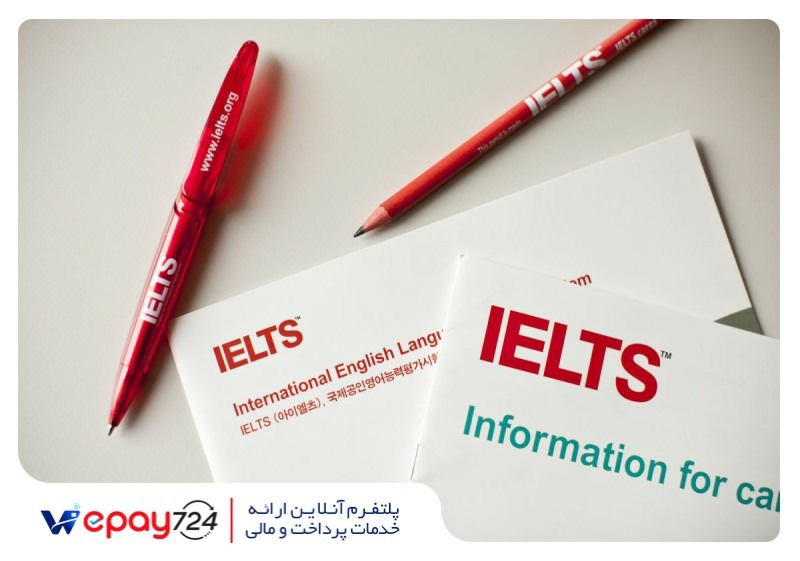
Students have many questions: Where should I start? How many months do I need? Why does my score not improve even when I practise? If you are new to IELTS, here is some good news: IELTS is not as difficult as you may think; you only need to know the right path.
Why IELTS?
More than 12,500 organisations in 150 countries trust IELTS. It is one of the best-known English language tests for universities, employers, and immigration offices. Whether you want to study, work, or start a new life in an English-speaking country, IELTS can help you reach that goal. That is why preparation is very important. Even universities in non-English-speaking countries may ask for an IELTS certificate for their international programmes.
First Step: Where Should I Start?
When you first see IELTS terms, band scores, and many study materials, it is normal to feel confused. Remember: you do not need to know everything on your first day. The four-week plan below divides your journey into four simple parts:
Week 1 — Understand the Test: Before you start practising, learn about the test format and scoring system. Understand the difference between IELTS Academic and General Training, and learn about band scores. Take a familiarisation test and explore free resources.
Week 2 — Learn About the Four Skills: Learn how the Listening test works, how the recordings are played, and how to find answers quickly. For Reading, learn about question types and reading habits that can improve your speed and accuracy. Get to know Writing Task 1 and Task 2 and understand what each task needs. Do not forget Speaking — many people are afraid of it, but it is really just a conversation.
Week 3 — Real Practice: This week, use what you have learned: do at least two Listening tests, two timed Reading tests, write one answer for each Writing task, and speak aloud for 10 to 15 minutes every day. Here is an important tip: review your mistakes after every practice session.
Week 4 — Mock Tests: Take two full practice tests in real test conditions: one at the beginning of the week and another after reviewing your mistakes. If you are weaker in one or two skills, do not worry — practise those skills more.
What Resources Are Available?
There are so many free official IELTS resources that no one has an excuse not to prepare. You can find free practice tests for Listening, Reading, Writing, and Speaking; educational videos about scoring; interactive webinars where you can speak directly with experts; podcasts; an official app for iPhone and Android; and complete books with tests and expert advice. All of these are collected in a large content library with more than 500 preparation resources to support you until test day.
If you do not know where to start, there is an easy option: Self-Assessment. Spend only 25 minutes answering 20 standard IELTS Listening and Reading questions. You will receive your result and personal feedback. Then, you can get a study plan and resources that match your level.
Score Improvement Plan: For People Who Have Practised but Not Improved
If you have taken the test many times but your score has not increased, the problem is usually not effort; it is strategy. Common mistakes include repeating the same errors, practising without feedback, not knowing which skill is lowering your score, ignoring the scoring criteria, and taking mock tests without checking your performance.
Many people think that their Writing score only depends on grammar. However, Coherence and Cohesion are also important. Vocabulary, sentence structure, and correct grammar all have their own role. In Reading, most candidates lose points because of poor time management, not because their English is weak. In Speaking, even people with good English can have problems under test pressure. So, speaking aloud every day and recording your voice can make a big difference.
How can you measure your progress? Be realistic. Moving from 5.5 to 6 usually takes around 3 to 4 weeks, from 6 to 6.5 around 4 to 6 weeks, and from 6.5 to 7 around 5 to 7 weeks. These are only estimates, but they remind you to be patient and follow a clear plan.